

PDRN and retinol at a glance
Choosing between PDRN and retinol starts with your current routine. Are you looking for a lighter serum, a richer moisturizer or information about a particular ingredient? Write down that job first. It gives the comparison a practical direction and helps you judge what an extra product would add.
PDRN describes DNA-derived preparations used in skincare discussions. Retinol is a form of vitamin A within the retinoid family. Both names appear in a wide range of finished formulas. The ingredient list, format and directions tell you how each particular product is intended to fit into daily care.
| Question | PDRN product | Retinol product |
|---|---|---|
| Which ingredient is identified? | Look for Sodium DNA and the explanation of any PDRN claim. | Check that the named ingredient is retinol. |
| Which step does it fill? | Cleanser, serum and cream formats have different routine roles. | Read the actual serum, cream or treatment directions. |
| What does a percentage measure? | Check the named material and its finished-formula basis. | Read the stated retinol amount and the product instructions together. |
| Which evidence applies? | Match the preparation, finished formula and application area. | Match the vitamin A ingredient, formula, application area and period. |
| How does it fit what I own? | Check texture, full ingredients and any duplicate routine steps. | Check the schedule and cautions alongside your existing products. |
Retinol, retinal and retinoids
Retinoids are a family of vitamin A-based skincare ingredients and medicines. Retinol is one member of that family. Retinal, also called retinaldehyde, is another specific ingredient name. Read the exact name when you compare a product with a study or with something you have already used.
The American Academy of Dermatology discusses retinol within the broader retinoid family and encourages an individualized choice. Dryness, sensitivity and existing skin concerns can affect that decision. It also emphasizes daytime sun protection. If you are choosing your first retinoid or managing a skin condition, a dermatologist can help you find an appropriate product. Read the AAD's retinoid and retinol guide.
Similar names can make a shopping comparison feel more exact than it is. Keep a note of the ingredient actually listed, the size of the product, its texture and its instructions. A side-by-side record helps you spot an important change when switching formulas.
What the topical evidence has tested
The PDRN-850K eye-area study
A 2026 split-face trial compared 0.1% PDRN-850K and 0.1% retinol eye creams with identical bases in 31 Chinese women aged 35–55. At 28 days, eye-area measures improved more on the PDRN side. Read the primary paper.
A topical retinol trial in older adults
In Kafi and colleagues' randomized trial, 36 older adults received 0.4% retinol lotion and its vehicle on opposite arms over 24 weeks. Study staff applied the products up to three times weekly. Fine-wrinkle scores improved more on the retinol-treated side. The participants' average age was 87. The result describes that lotion, population, body area and study schedule. Read the original retinol trial.
| Study | Application area | Period | Material to check |
|---|---|---|---|
| PDRN-850K comparison | Eye area | 28 days | Specific eye-cream preparations |
| Kafi retinol trial | Arms | 24 weeks | 0.4% retinol lotion |
Those details help answer a useful shopping question. How closely does the product in your hand match the product in the study? A different formula, body area or application schedule changes the comparison. Keep the original study beside the claim and look for the match.
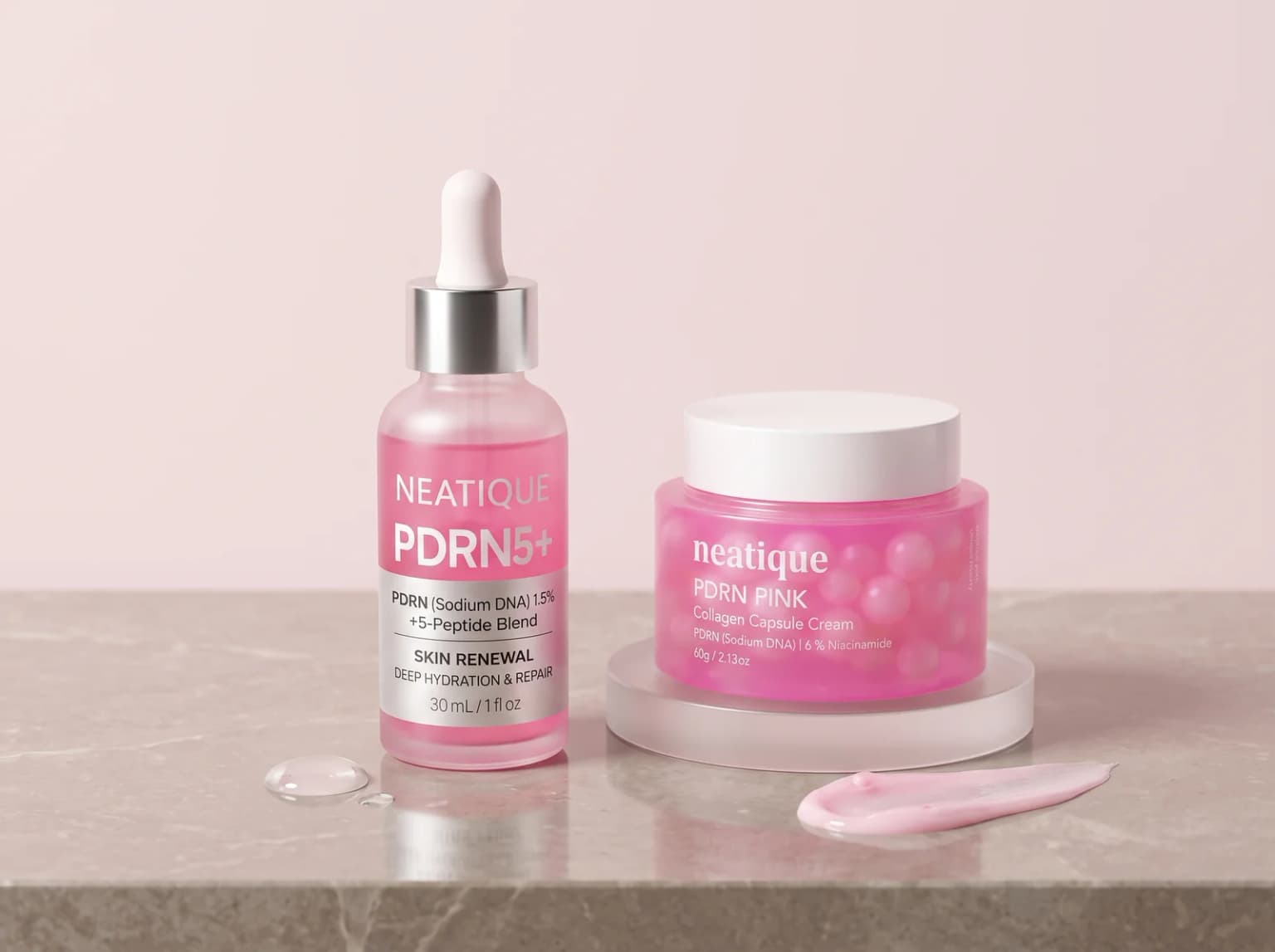
A percentage gives you one part of a product comparison. Read it with the named ingredient, the complete formula and the application instructions. For Neatique's PDRN serum and cream, the product pages present the disclosed Sodium DNA and niacinamide details alongside their routine roles. Use the studies above to understand their tested preparations, areas and schedules, then assess the everyday product you are considering on its own label.
Choose a formula for the routine you already have
If you already use a moisturizer you like, decide whether another leave-on product has a clear purpose. You might prefer the feel of a lighter serum under that moisturizer. You might want to replace a cream whose texture feels too heavy. Those are concrete decisions you can assess in your own routine.
When fine lines or another persistent concern is the reason you are shopping, write down the result you hope to see and check the evidence for the specific product. Give equal attention to directions you can follow consistently. If your current routine has a prescribed treatment, bring the full ingredient list of any proposed addition to the clinician managing it.
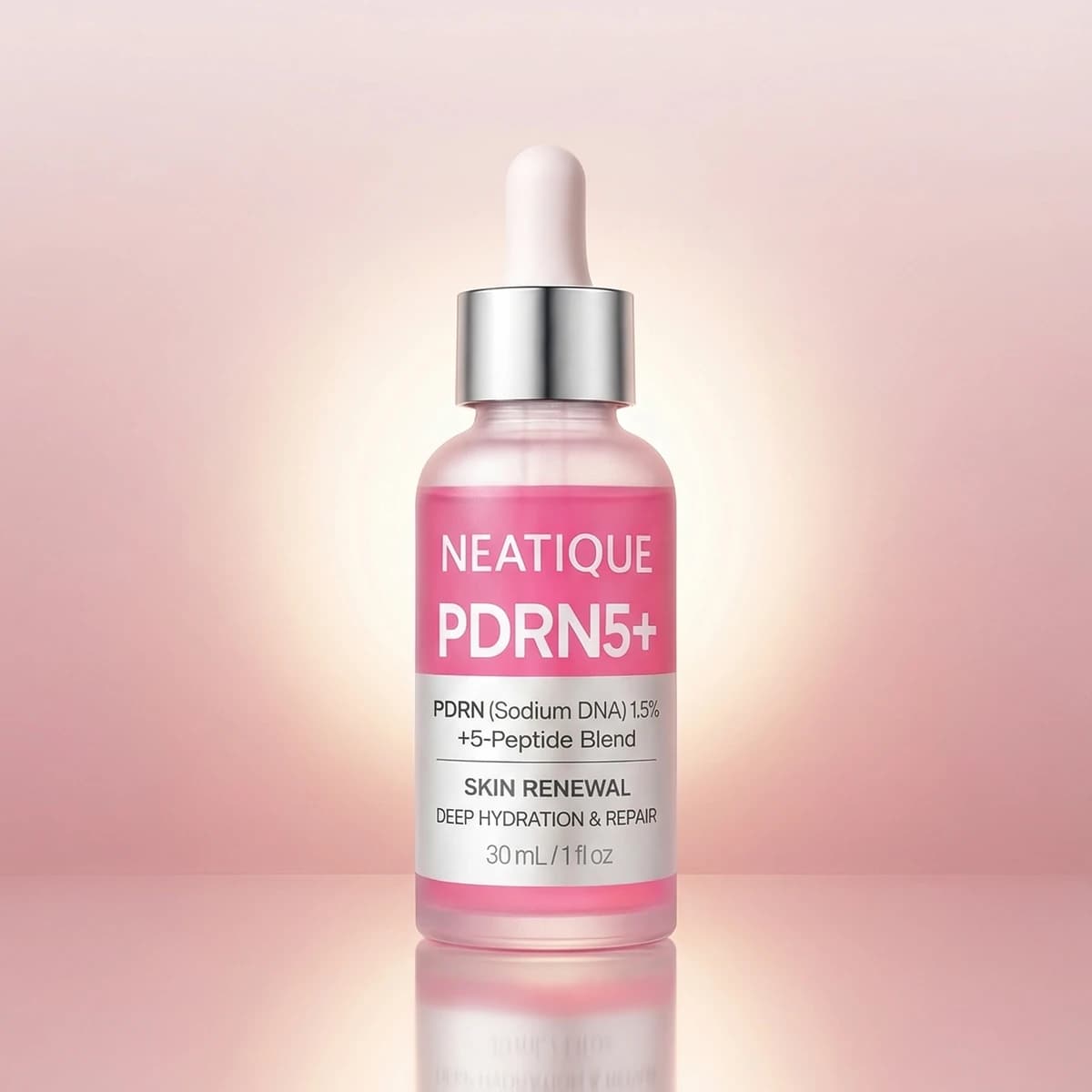
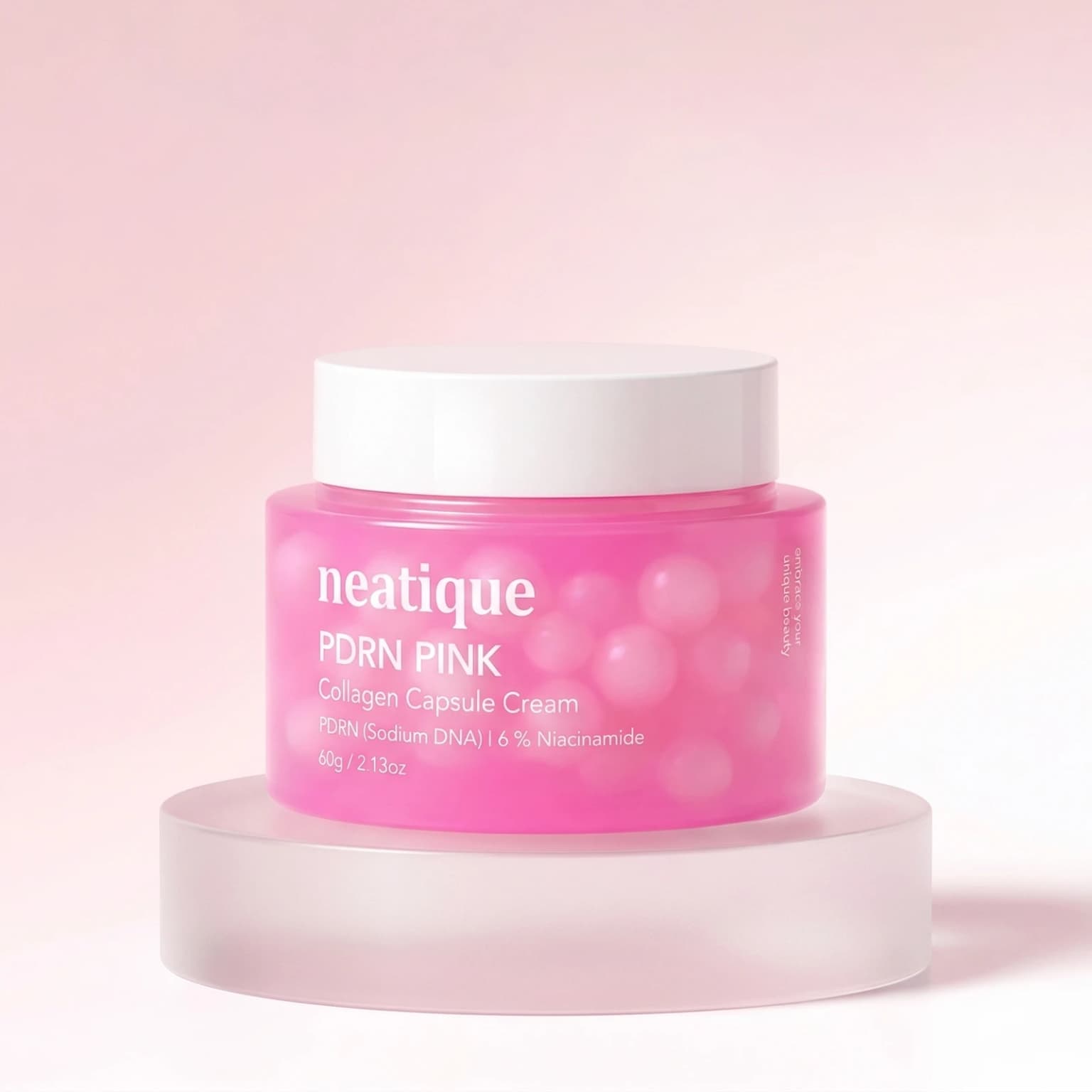
For a Neatique example, the PDRN serum label states 1.5% Sodium DNA in a 30 mL product. The complete list includes peptides, glycerin, niacinamide and sodium hyaluronate. The PDRN cream label states 6% niacinamide in a 60 g capsule cream, alongside listed Sodium DNA. Each number belongs with its named ingredient.
The cream's formula also includes fragrance and beeswax. The serum's complete INCI lists its individual peptide names. Read these details against your own known sensitivities and preferences. The PDRN skincare guide explains the source and concentration questions in more detail.
Can PDRN and retinol be used in the same routine?
Begin with the complete formulas, instructions and your experience with each product. Identify the exact retinoid, its application schedule and the moisturizer or serum step you want to add. Follow those directions consistently, introduce one unfamiliar formula at a time and observe how your skin feels as the routine settles.
Check the complete product directions
- Identify both products. Have the full ingredient lists available, including the exact vitamin A ingredient. Check whether your retinol product gives a particular application order or frequency.
- Keep a familiar starting routine. When several products change at once, identifying the source of a new sensation becomes harder. Introduce an unfamiliar product on its own so you can observe how your skin responds.
- Follow the warnings on each formula. Neatique's cream label says to avoid broken or irritated skin and discontinue if irritation or discomfort develops. Its serum label calls for patch testing before use and stopping if irritation occurs.
- Check a prescribed routine with its prescriber. Bring both labels to that conversation. This is especially useful when a treatment already has a carefully chosen schedule or your skin is uncomfortable.
A moisturizer can fill a useful routine step on days when you use another treatment. Whether a specific PDRN cream is the right moisturizer for you still depends on its whole formula and its label. Choose the texture and ingredients that suit your routine, then assess that individual product before adding another variable.
Where serum and cream fit
The AAD places treatment after cleansing, followed by moisturizer or sunscreen. See its application order.
Neatique's serum label directs application to clean, dry skin. The cream is the moisturizer step, with directions to massage gently until its capsules blend and absorb. For the detailed product sequence, use the PDRN serum and cream layering guide. It also covers amount and rubbing if your layers pill.
Keep each formula in its own application step. If the routine starts to feel heavy, step back and identify which layer has a useful job. Comparing one change at a time gives you clearer information than repeatedly adding more products to solve an uncertain result.
Questions about PDRN and retinol
Which should I choose for my first new step?
Start with the role you need, then check the specific formula and its supporting information. If you want help choosing a retinoid for a persistent concern, ask a dermatologist. If your priority is a Neatique serum or moisturizer, compare the PDRN formats and read the corresponding label. Buying one appropriate step can keep the decision manageable.
How should I compare the Neatique product details with a study?
For Neatique's serum, read the stated 1.5% Sodium DNA together with its full INCI and lightweight leave-on format. For the capsule cream, read the stated 6% niacinamide, listed Sodium DNA and moisturizing application method. Keep the research formula, application area and schedule beside each study finding as you compare it with those product details.
Should I copy the application schedule from a study?
Use your product's own directions. A research schedule belongs to the protocol and formula that were studied. The labels on your particular products are the practical reference for amount, frequency and where to apply them. If directions appear to conflict with a prescribed routine, check with your prescriber before changing it.
What if I also use vitamin C?
Keep that question attached to the complete product list. The PDRN layering guide carries the vitamin C discussion and the practical product checks. There is room for a simple routine even when several ingredient names are familiar. Choose the steps that have a clear place and feel comfortable together.